AI Won't Create Mass Unemployment. It Will Create Something Worse: Mass Downward Mobility.
The real AI labor threat isn't disappearing jobs — it's wage compression cascading through the middle class, and it could wreck the development model that lifted the Philippines and India's outsourcing economies.

The dominant AI-and-jobs debate is stuck on the wrong question. People keep arguing about whether AI will cause mass unemployment, as if the binary outcome is "everyone has a job" or "nobody does." That framing misses the more likely and more insidious outcome already visible in early data: AI won't eliminate jobs so much as it will hollow out the middle of the labor market, pushing skilled professionals into lower-paid, lower-status versions of their former careers while a small number of AI-augmented elites capture an outsized share of the gains.
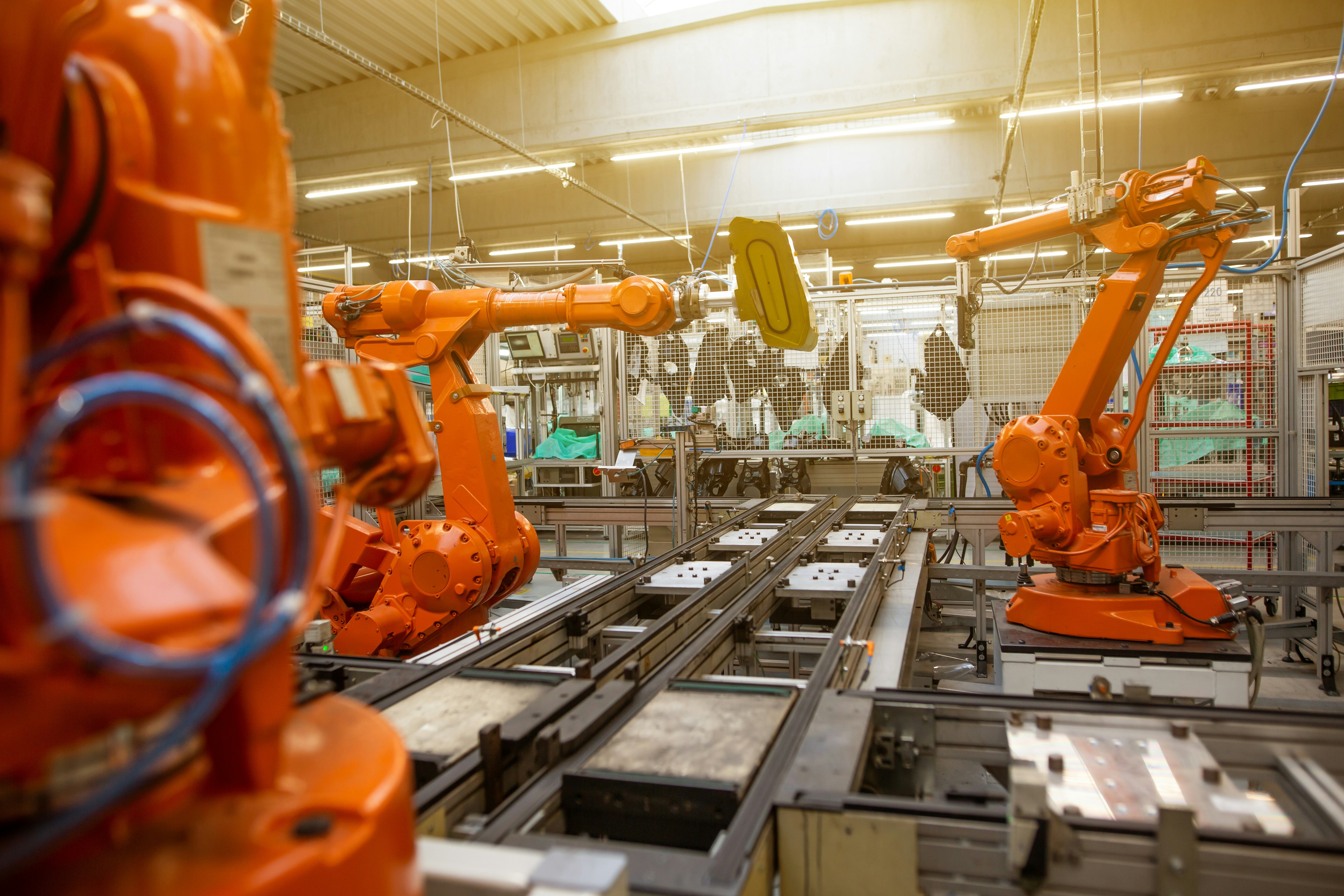
Look at what's already happening in fields like copywriting, junior-level coding, customer service, and paralegal work. These aren't disappearing entirely — they're being restructured so that one AI-assisted worker does the output of what used to take five people, and the four displaced workers don't vanish into unemployment statistics; they cascade downward into adjacent, lower-paid roles, competing with workers who were already there and driving wages down across the board. Mass unemployment makes for dramatic headlines, but mass wage compression and status downgrade is the quieter, more politically corrosive reality unfolding right now.
This has a geopolitical dimension that gets far less attention than it deserves. Countries that built their entire development strategy around being the world's back office — call centers in the Philippines, IT services in India, business process outsourcing across Eastern Europe — are staring down an existential threat to the exact economic ladder that lifted hundreds of millions out of poverty over the past three decades. If AI can do first-tier customer service and basic software maintenance more cheaply than a call center in Manila, the development model that worked for the last generation of emerging economies may simply not be available to the next one, with no obvious replacement industry waiting in the wings.

The people designing and profiting from this transition — a small number of AI labs, chip manufacturers, and the companies fastest to deploy the technology — are geographically and economically concentrated in a handful of wealthy hubs, mostly in the US and China. That concentration means the productivity gains from AI are likely to widen both within-country inequality and between-country inequality simultaneously, a genuinely novel double-whammy that neither past trade shocks nor past automation waves produced quite so sharply or so fast.

Policymakers reassuring the public that "AI will create new jobs, just like every technology before it" are not lying, exactly — new jobs probably will emerge. But they're eliding the brutal transition period, the specific people who bear the downward mobility, and the fact that "new jobs eventually" is cold comfort to a 45-year-old paralegal whose skills just became worth 40% less, in a country whose entire growth strategy just became worth less too.