The IMF Doesn't Rescue Countries. It Restructures Them for Creditors.
IMF bailouts routinely funnel money past suffering populations and straight to foreign bondholders, Greece being the textbook case. Emergency lending, or a mugging with extra paperwork?
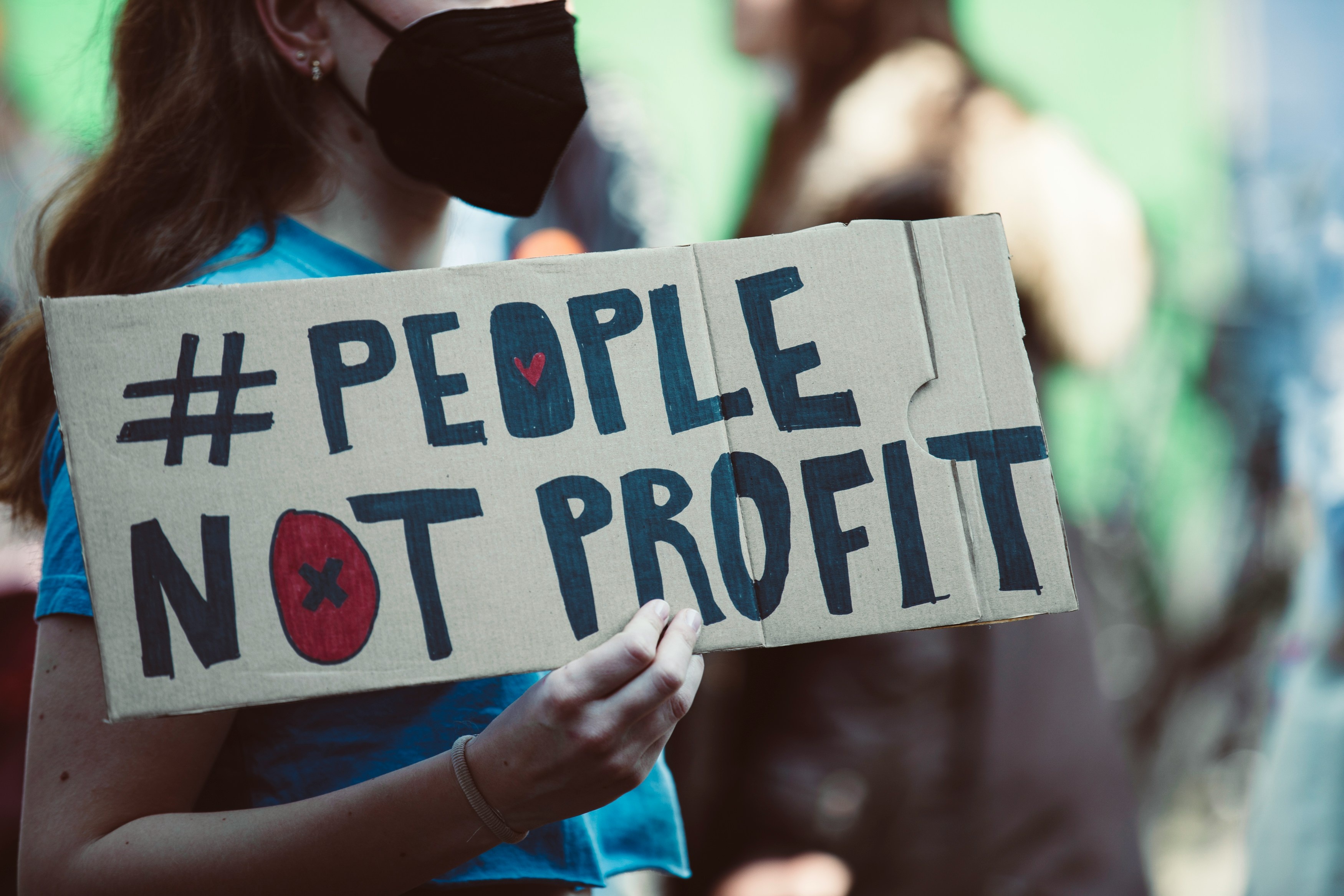
Ask a finance textbook what the IMF does, and you'll get a story about a lender of last resort helping countries through balance-of-payments crises. Ask someone who lived through an IMF structural adjustment program in Argentina, Greece, or Zambia, and you'll get a very different story — one about austerity conditions imposed on already-suffering populations, privatization of public assets at fire-sale prices, and currency devaluations that wiped out savings, all in service of ensuring foreign bondholders get repaid.
The pattern repeats with grim consistency. A country borrows heavily, often encouraged by the same international financial system now demanding repayment. A crisis hits — a commodity price shock, a currency attack, a pandemic. The IMF steps in with a loan, but the loan comes bundled with conditions: cut public spending, raise taxes, deregulate, privatize state industries, often precisely the industries most attractive to foreign capital. The government that accepts these terms frequently faces domestic backlash and instability; the government that refuses gets locked out of international capital markets entirely. It's not really a choice so much as a mugging with extra paperwork.
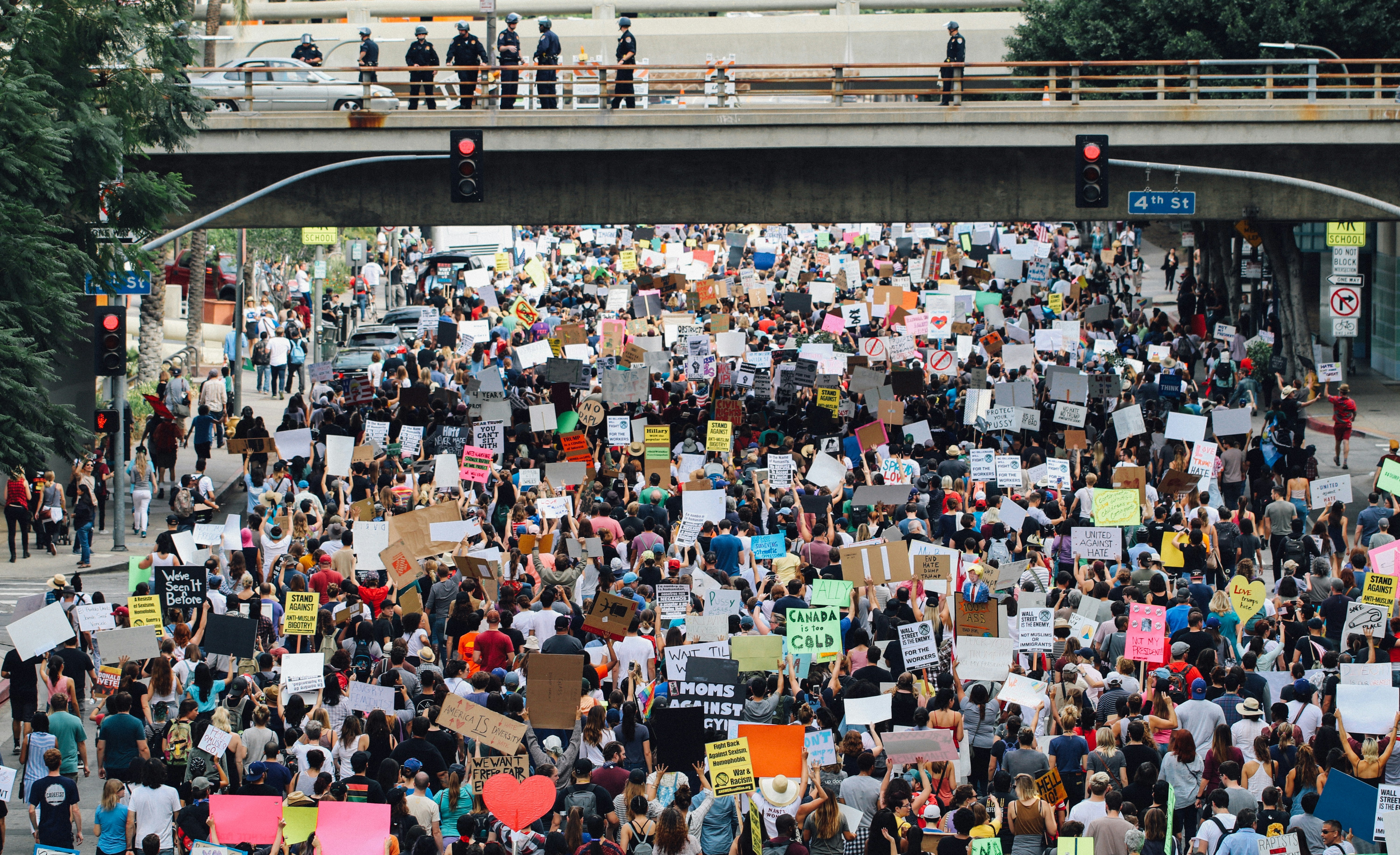
Greece is the case study Europeans remember best: youth unemployment above 40% at the peak of its debt crisis, pension cuts, hospital closures, and a "rescue" package where the overwhelming majority of bailout funds flowed not to the Greek public but back out to French and German banks holding Greek debt. The suffering was borne by Greek citizens; the money was largely a pass-through to protect Northern European creditors from losses they should have priced into their lending decisions in the first place.
Defenders of the IMF's approach argue that conditionality is necessary because unconditional bailouts create moral hazard, encouraging reckless borrowing with no consequences, and that many crisis countries had genuinely unsustainable fiscal positions requiring correction regardless of external pressure. There's real substance to that argument — plenty of crises were self-inflicted through corruption or genuine mismanagement, not just bad luck. But "the patient was sick" doesn't fully justify "the treatment mainly cured the doctor's other patients," which is a fair description of how consistently IMF programs prioritize creditor recovery over the welfare of the populations actually living through the crisis.
The controversial conclusion many economists now openly discuss: the IMF, whatever its founding intentions, functions today as an instrument for enforcing global creditor claims against sovereign nations, dressed in the technical language of fiscal responsibility. Until that structure changes, "IMF bailout" will keep sounding like relief to bondholders in London and New York, and sounding like punishment to everyone living through it on the ground.